Flock Safety Cameras: Civil Rights and Privacy Concerns
Introduction
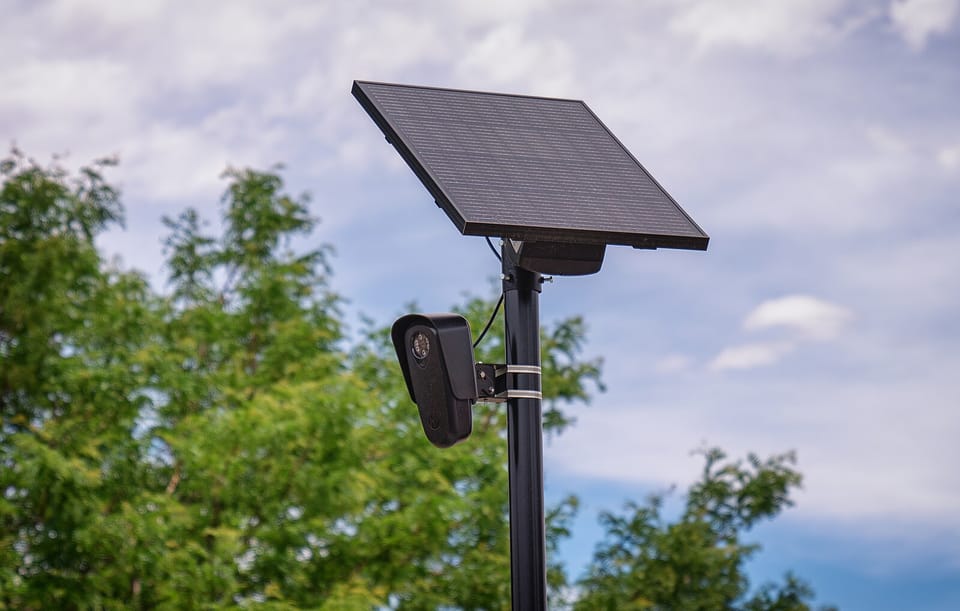
Flock Safety, a surveillance startup valued at $7.5 billion, has deployed over 80,000 AI-powered cameras across the United States, partnering with more than 5,000 law enforcement agencies. While the company promises to "solve crime by 2035," a growing chorus of critics, lawsuits, and local movements are raising serious questions about constitutional rights and data privacy.
What Makes Flock Different and Concerning
Unlike traditional license plate readers, Flock's technology captures far more than plate numbers. The cameras log vehicle make, model, color, and distinguishing features like bumper stickers, creating detailed profiles that can be searched and shared across jurisdictions. This comprehensive data collection, combined with extended retention periods, allows authorities to reconstruct the historical movements of virtually any vehicle all without a warrant.
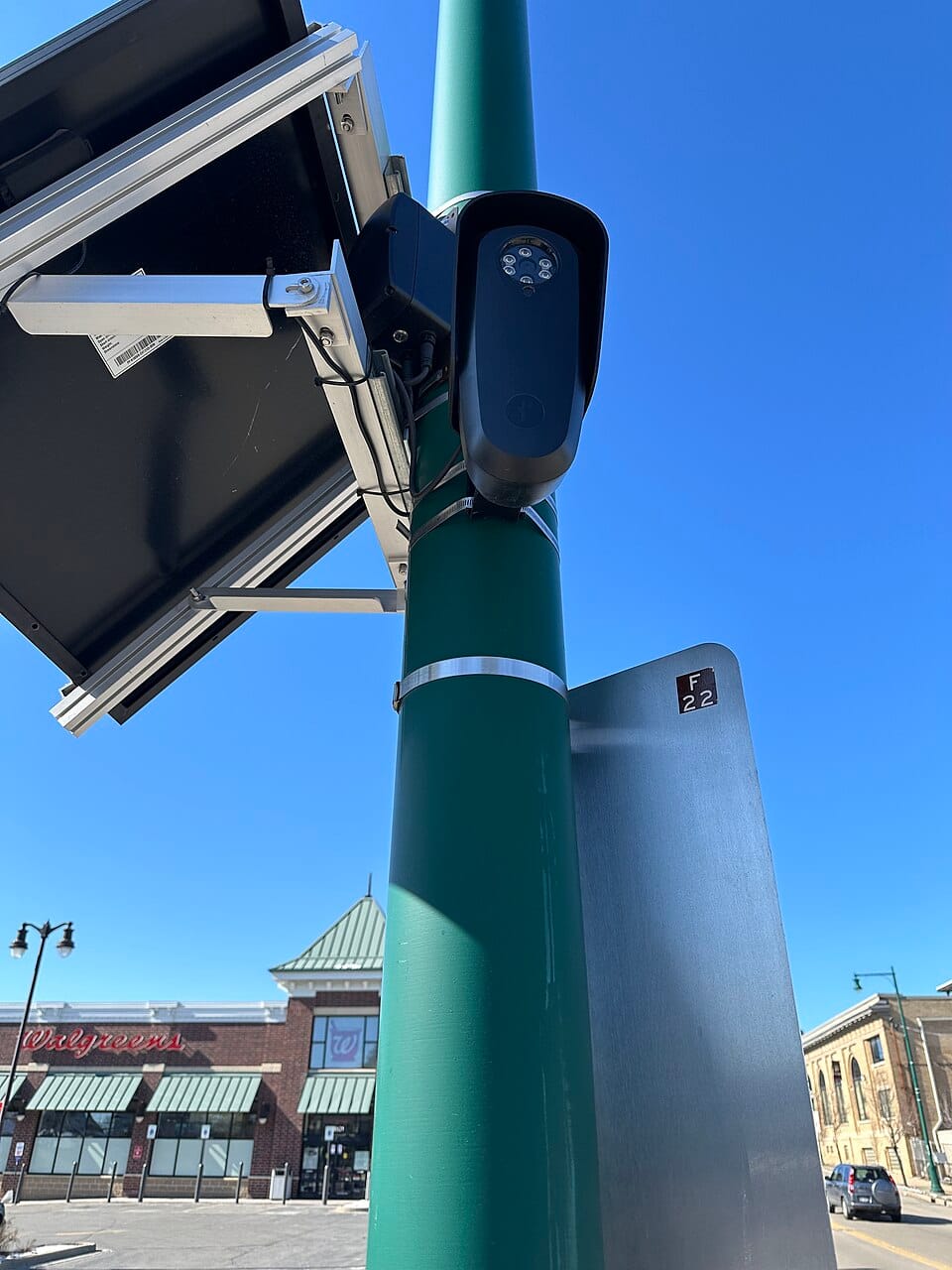
Check out the crowdsourced project deflock.me which documents the known locations of Flock cameras and issues around them.
The Legal Challenge
A federal lawsuit filed by the Institute for Justice against Norfolk, Virginia argues that the city's 170-plus Flock cameras constitute unconstitutional warrantless surveillance. The suit draws on legal precedents from Carpenter v. United States and Leaders of a Beautiful Struggle v. Baltimore Police Department, both of which established that aggregating location data over time can create a "mosaic" of someone's life that deserves Fourth Amendment protection.
The Core Violation
The Fourth Amendment protects against unreasonable searches and requires probable cause for government intrusion into areas where citizens have a reasonable expectation of privacy. Mass ALPR systems fundamentally violate this by conducting suspicionless, dragnet surveillance of all citizens' movements in public space.
Why This Constitutes a Search
While a single observation of a car in public might not trigger Fourth Amendment protections, the aggregate collection creates something qualitatively different. As the Supreme Court recognized in Carpenter v. United States (2018), comprehensive tracking of someone's movements reveals the "privacies of life" in ways that isolated observations do not. ALPR systems create a detailed mosaic of your daily patterns—where you worship, what doctors you visit, which political meetings you attend, who you associate with—all without any individualized suspicion.
These systems are unreasonable because they're indiscriminate. Every person driving is subject to surveillance regardless of whether there's any evidence of wrongdoing. This inverts the Fourth Amendment's framework, which requires particularized suspicion before government scrutiny. The system treats every citizen as a potential suspect worthy of tracking.
Make and Model Amplifies the Intrusion
Recording make and model intensifies the privacy invasion. It enables cross-referencing with other databases, refining surveillance targets, and building profiles about socioeconomic status and lifestyle choices. None of which the government should collect without cause under the 4th amendment.
The Permanence Factor
Unlike a human officer's memory, ALPR data is stored indefinitely, creating permanent government records of innocent people's movements. This chills the free exercise of First Amendment rights and creates opportunities for abuse, retroactive investigation, and mission creep.
The argument concludes that suspicion-less, mass collection of movement data transforms public travel into a mechanism for comprehensive government surveillance exactly what the Fourth Amendment was designed to prevent.
Data Sharing Gone Wrong
In Illinois, Secretary of State Alexi Giannoulias accused Flock of violating state law by sharing data with U.S. Customs and Border Protection and failing to prevent out-of-state agencies from accessing Illinois data for immigration or abortion enforcement—both explicitly prohibited under a 2023 state law. The investigation began after out-of-state police allegedly used Flock to search for a woman who had recently had an abortion. More than 550 out-of-state agencies currently have access to Illinois Flock data, and the city of Evanston has already deactivated its cameras in response.
Resistance Grows
In Santa Cruz County, California, a coalition called "Get the Flock Out" is urging cities to terminate their Flock contracts, by citing concerns about immigration enforcement and civil liberties. Despite local police departments having policies against sharing data with federal immigration agents, the system's architecture allows outside agencies to access the data—a vulnerability even Santa Cruz's police chief acknowledged.
Critics, including the ACLU, warn that mass surveillance systems like Flock disproportionately affect minority and immigrant communities and contribute to over-policing. hile Flock claims that license plates in public spaces carry no reasonable expectation of privacy, in practice this is a mass surveillance operation by law enforcement that has been used to monitor anyone they like.
Take Action: Contact Your Local City Government
If you're concerned about Flock cameras in your community, one of the most effective steps you can take is contacting your local city council, mayor, or police department directly. Demand transparency about whether your city uses Flock, request public hearings on the matter, and urge officials to prioritize civil liberties over mass surveillance.
We will be releasing more news and planning regarding what this chapter of 50501 will be doing in to coordinate action around this issue in the coming months. Check back for updates.
Sources & Further Reading
- Futurism: Startup Crime Spy Cameras
- Lookout: Movement Against Police Use of Flock Safety Cameras in Santa Cruz County
- Capitol News Illinois: Hundreds of Police Departments Use Camera Company Accused of Breaking State Law
- Forbes: Warrantless Surveillance Federal Lawsuit Challenges Flock Safety Cameras
- Instagram: @gettheflockoutscc
Documented cases of abuse
Cases of abuses using Flock data for stalking and other abuses:
- In Sedgwick, Kansas, a former police chief tracked his ex-girlfriend's vehicle hundreds of times.
- A police lieutenant in Kechi, Kansas, was convicted of stalking his estranged wife using Flock cameras.
- A former police chief in Braselton, Georgia, was arrested for allegedly using ALPR systems to stalk private citizens.
- In North Charleston, South Carolina, a former lieutenant admitted to using surveillance cameras to monitor his wife.